

【The 24 Solar Terms】
Summer Solstice (Geshi)

Geshi (Summer Solstice)
Around June 21st – July 6th
Geshi, the summer solstice, marks the longest day of the year.
Powerful sunlight pours down from the high-rising sun, and everything on the earth basks in its abundant blessing.
At the same time, it's also the height of the rainy season, so there's plenty of rain. The unstable weather, with alternating clear and rainy days, is characteristic of this season.
Some days are heavy with humid air, while others see vibrant greenery under a clear blue sky. The season is steadily heading towards the peak of summer.
Shichijuni-ko (72 Micro-seasons)
Around June 21st – 25th: "Natsukarekusa Karuru" (Self-heal Wither)

"Natsukarekusa" refers to the self-heal plant (Prunella vulgaris). It's said to be named as such because it withers in summer.
It blooms with purple flowers from late spring to early summer, then quietly completes its role around the summer solstice, making us feel the cycle of life. The sight of a flower withering as it approaches the height of summer is somehow refreshing and calming.
Around June 26th – 30th: "Ayame Hanasaku" (Iris Bloom)

This is the time when irises (ayame) bloom in wetlands.
Delicate purple, blue, and white petals sway in the breeze, exuding a dignified presence even under the cloudy skies of the rainy season. Their appearance by the water's edge offers a unique charm characteristic of this rainy period.
The Japanese appreciation for nature is alive in the scenery woven by similar flowers such as ayame, shobu, and kakitsubata.
Around July 1st – 6th: "Hangeshozu" (Crow-dipper Sprouts)

This is the time when the medicinal herb "hange" (crow-dipper) begins to sprout.
It also marks a milestone in agricultural work, and in the Kansai region, there's a custom of eating octopus to celebrate the completion of rice planting. This tradition carries the wish for the rice plants to take root as firmly as an octopus's legs.
Also, the plant known as Hangesho (lizard's tail) blooms around this time. With its eye-catching white-stained leaves, it adds a refreshing touch to gardens during the rainy season.
Seasonal flavors, events, etc.
Around the summer solstice, stores begin to stock full-fledged summer vegetables.
Tomatoes, eggplants, cucumbers, bell peppers, corn. These colorful vegetables are invigorating just to look at. Grown under the sun, their flavors are rich, and whether cooked or raw, their potency is palpable.

Among seafood, sardines are in season. Simmered in plum or made into fish balls, they offer a refreshing taste. White fish with mild flavors are also delicious at this time, becoming wonderfully plump and tender when cooked.

On the summer solstice, events celebrating the sun are held around the world. In Nordic countries, there are festivals to celebrate the midnight sun, and in Japan, there was a custom of "preparing for the heat."
In rural areas, it is customary for rice planting to be completed by "Hangesho."
Summary of "Geshi" (Summer Solstice)
Geshi, when the sun reaches its highest point, is a time when the power of the sun fills the entire earth.
The skies are not always clear; sometimes heavy rain falls, and thunder rumbles. Amidst such fickle weather, both plants and people seem to stretch and adapt to the season.
Having an eye to find glimmers of light even in damp air. Taking a deep breath while enveloped in the sound of rain.
These might be small bits of wisdom for spending the rainy season healthily. Towards the approaching midsummer, both nature and people are quietly preparing.
On the longest day, why not take a moment to look up at the sky and feel the warmth of the sun all over your body?
PRODUCTS
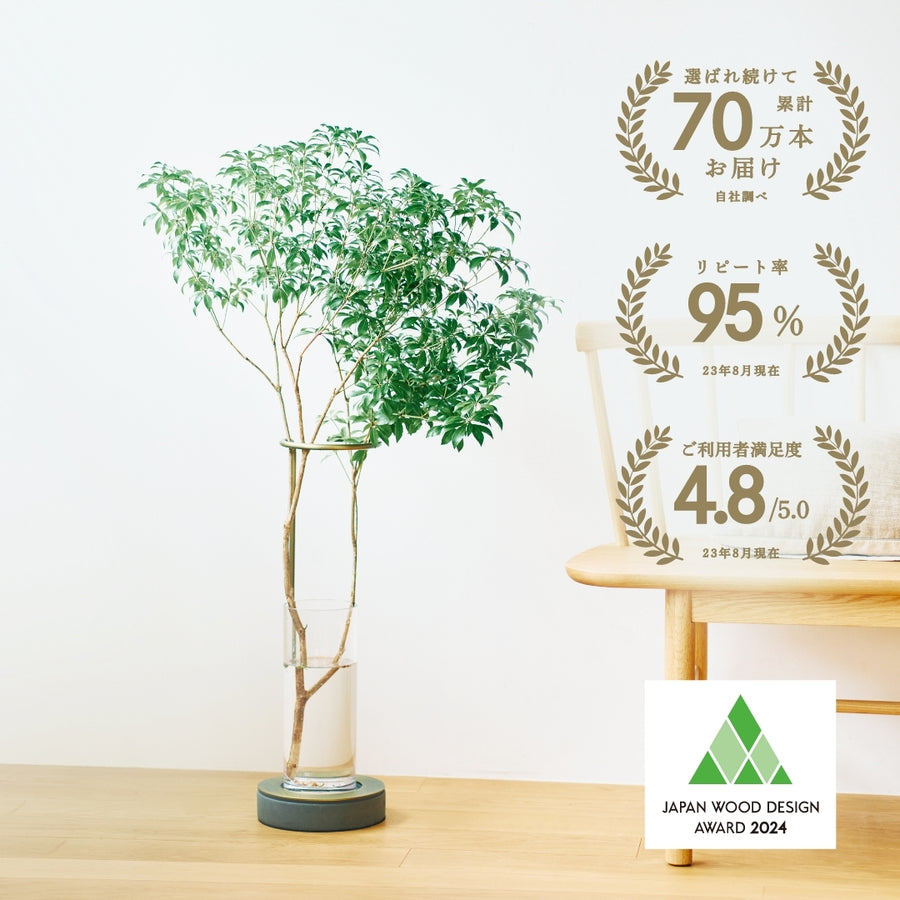
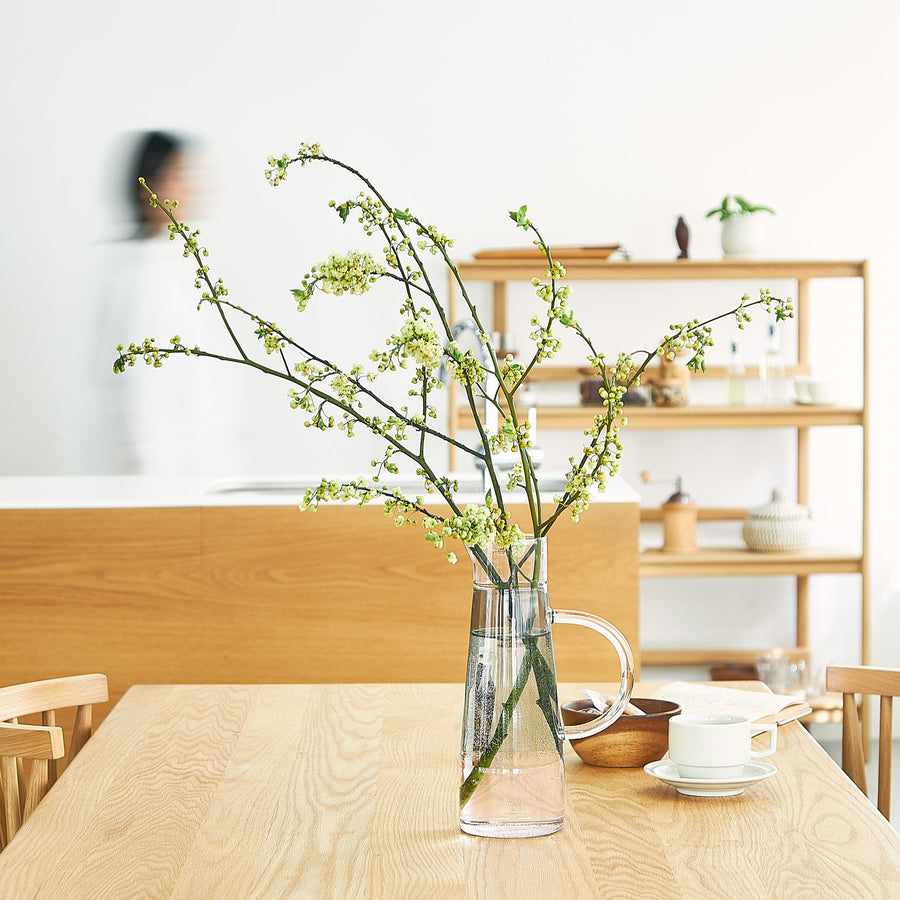
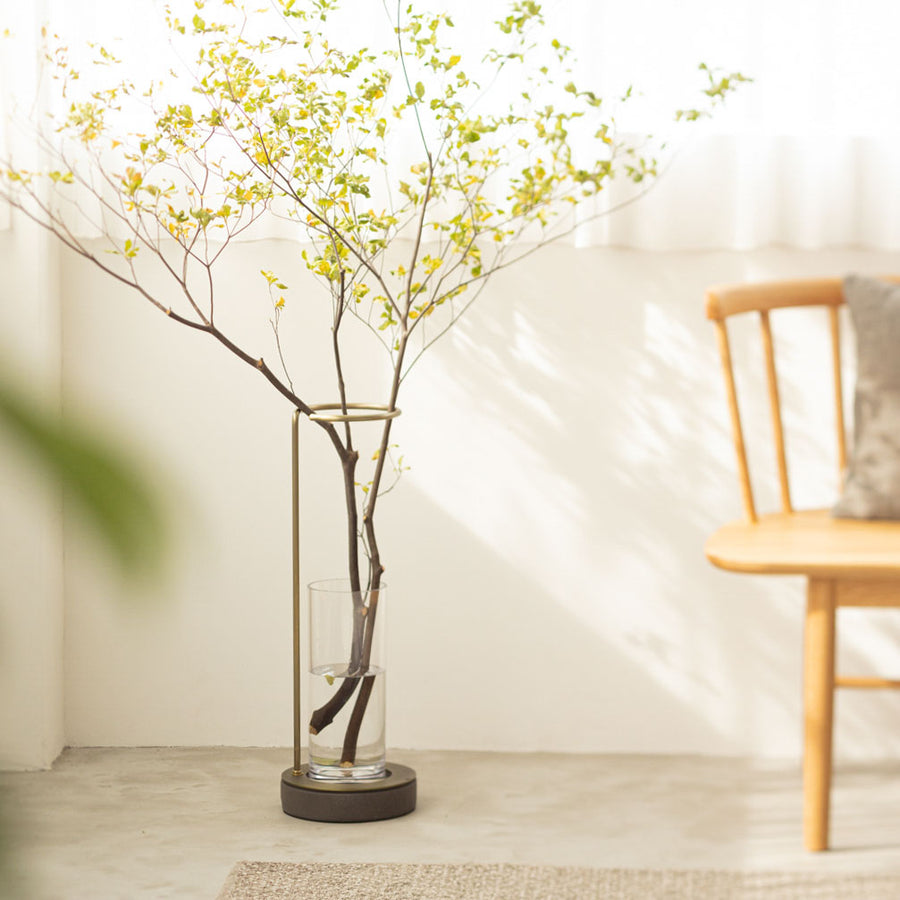
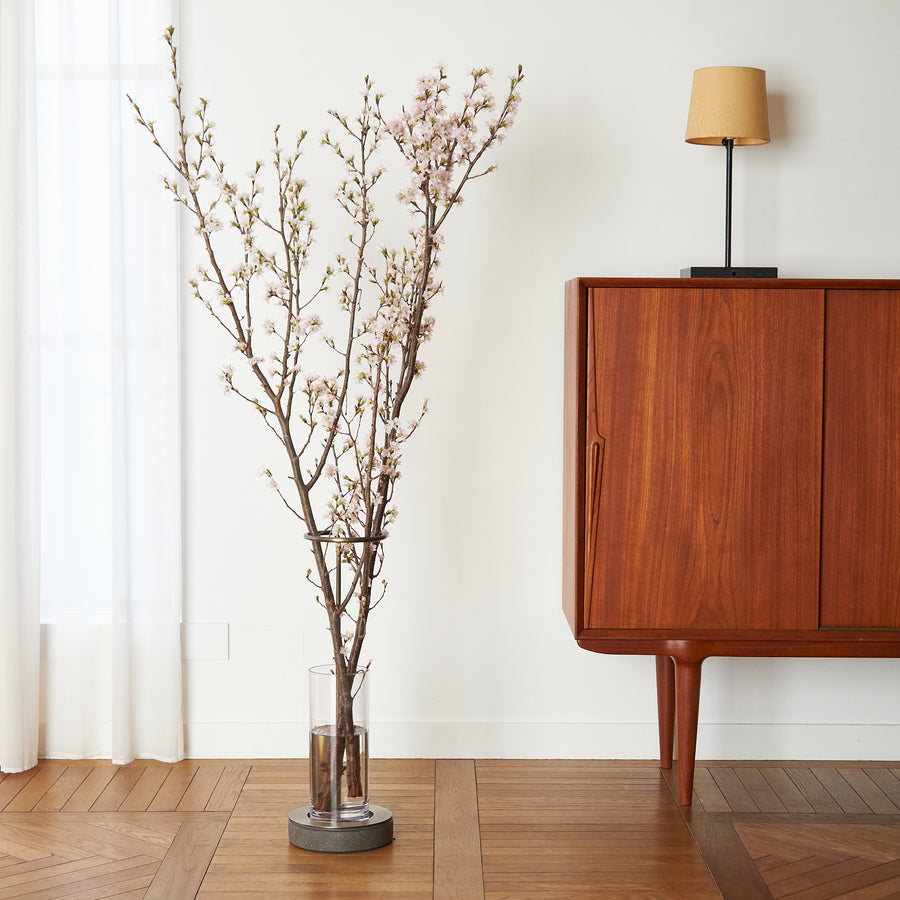
![[Made to order] Green Summer Wreath made with summer branches (fresh flowers)](http://sikito.com/cdn/shop/files/20250702_-15.jpg?v=1751530871&width=900)
![[Made to Order] Four Seasons and Bonsai: Summer | Japanese Maple](http://sikito.com/cdn/shop/files/yomimono20250912.jpg?v=1756106914&width=900)
![[Pre-Order] Seasons and Bonsai: Summer | Gardenia](http://sikito.com/cdn/shop/files/DSC09951a.jpg?v=1779693971&width=900)
![[Made to Order] Seasons and Bonsai: Summer | Crape Myrtle](http://sikito.com/cdn/shop/files/DSC0468_2.jpg?v=1779774773&width=900)
We also recommend this article

How to Stylishly Decorate with "Branches" Like the Popular Enkianthus
“Branches” are an essential element ...

This year again, our representative, ...


%0AAround%20June%2021st%20%E2%80%93%20July%206th%0AGeshi,%20the%20summer%20solstice,%20marks%20the%20longest%20day%20of%20the%20year.%0APowerful%20sunlight%20pours%20down%20from%20the%20high-rising%20sun,%20and%20everything%20on%20the%20eart...)