

Characteristics and Decoration of Hanamochi: Auspicious Winter New Year's Decoration with Red and White Mochi Balls Adorning Branches

Basic Information on Mochibana
| Plant Name | Mochibana |
| Scientific Name | ー (Not a plant, but a decoration) |
| English Name | Mochibana / Rice Cake Flower |
| Other Names | Mochibana, Mayudama |
| Family/Attribute | ー (Traditional decoration, not a botanical classification) |
| Classification | New Year's Decoration / Koshogatsu Event Decoration |
| Origin | Japan (Developed as a traditional event throughout Japan) |
| Availability Season | December |
Characteristics of Mochibana
Mochibana are traditional Japanese decorations for Koshogatsu (Little New Year). In winter, small rounded mochi (rice cakes) or dango (dumplings) are attached to branches of willow or mizuki trees, and because they resemble blooming flowers, they are called "Mochibana."
The sight of white and red mochi balls softly adorning the branch tips is as lovely as vibrant flowers blooming in the snow, brightening up any indoor space in winter. Even a single branch has presence, making it a popular good luck charm and an essential item for New Year's decorations and winter displays.
Mochibana have long been created throughout Japan as a ritual to pray for a good harvest and good health. The shapes, colors, and branches used vary by region, and they are also known by names such as "Mayudama" (cocoon balls) and "Mochibana."
Unlike mochi made for eating, the decorative mochi balls are dried hard, so they maintain their shape for a long time. They are easy to handle as dried branches and are highly valued for store decorations and seasonal arrangements.
With their blend of simplicity and vibrancy, Mochibana are particularly heartwarming among winter decorations. Their bright and auspicious appearance will gently soothe the hearts of those who see them ◎

The "Flower Language" of Mochibana
Mochibana do not have a formal flower language like plants do. This is because Mochibana are not plants themselves, but rather traditional Japanese decorations displayed during Koshogatsu, and thus are not subject to flower language.
However, Mochibana have long been imbued with auspicious meanings and are cherished as symbols with symbolic meanings akin to flower language.
Prayer for a Bountiful Harvest
Used as a decoration to pray for the year's harvest, it embodies the wish "May there be a rich harvest."
Health and Protection from Evil
Displayed as a lucky charm to pray for family health, it symbolizes a peaceful year.
Prosperity and Good Fortune
The white mochi is likened to "fruit that brings good fortune," signifying wishes for business prosperity and household growth.
Joy of Welcoming Spring
The sight of snow-like white mochi blooming on branches is cherished as an announcement of spring's arrival.
Thus, while Mochibana do not have a formal flower language, they are imbued with auspicious meanings akin to flower language, such as "bountiful harvest," "health," "prosperity," and "joy of spring."
How to Display Mochibana

The key to displaying Mochibana (rice cake flowers) is to arrange them so that the round shapes and red-and-white colors of the rice cake balls on the branches are clearly visible.
By varying the direction and height of the branches, the lovely rice cake balls, which resemble snow flowers, will naturally stand out. If you spread the branch tips slightly or arrange the rice cake balls to appear evenly spaced, you can enjoy the gentle and vibrant expression typical of Mochibana ◎
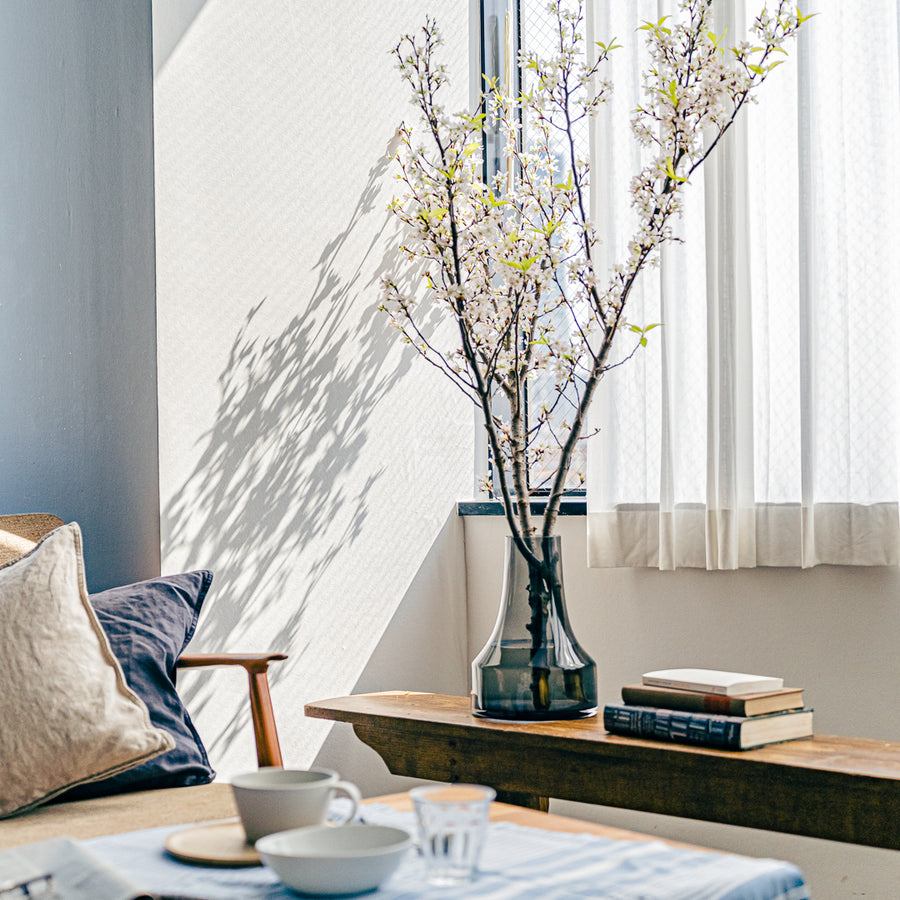
The rice cake balls are light, and the branches are relatively easy to handle, so they can be stably displayed in wide-mouthed vases, rustic pottery, or wicker baskets. Incorporating them into winter displays or New Year's arrangements will allow their bright and auspicious appearance to softly adorn the space.

A collection of vases perfect for branches
View products 〉
Precautions when arranging in a vase
Change the water in the vase daily to keep it fresh. It is also important to clean the vase regularly to maintain cleanliness.
When cutting branches, use clean pruning shears and cut the stem diagonally to help water absorption. Lightly splitting the base of the branch can also effectively enhance water absorption.
When cutting branches, choose pruning shears that are easy to grip and fit comfortably in your hand. Those with sharp blades that can cut branches smoothly are ideal.
With a little care, you can enjoy branches for longer ♪

TOYAMA HAMONO | Pruning Shears for a Lifetime, Even for Thick Branches
View products 〉
How to Care for Mochibana
Mochibana do not require maintenance such as watering or recutting like fresh flowers. They are decorations with rice cake balls attached to branches, so they can be enjoyed as is even when dry.
However, to maintain their beauty for a long time, there are a few points to keep in mind. First, choose a display location that is low in humidity. High humidity can cause the rice cake balls to soften or develop mold.
Also, the rice cake balls become hard and brittle when dry, so be careful not to touch them forcefully or drop them. When placing branches in a vase, choose a stable container to prevent it from tipping over and ensure safe display.
While no special care is required, paying attention to the display environment will allow you to enjoy the lovely appearance of Mochibana for longer.
In this article, we will introduce basic care for general branches, assuming that Mochibana and other branches are displayed together.
Basic Care
1. Re-cutting on the day of receipt

Once you receive your branches, re-cut them before arranging them in a vase.
Additionally, make a cross-shaped incision at the base and use a knife to peel off the bark from the surface of the stem. It is recommended to only peel the part that absorbs water. This will help the branches absorb water more easily and stay fresh longer.
Furthermore, using a freshness retainer can help maintain the freshness of the branches even longer ◎
■ Freshness Preservative for Long-Lasting Branches

This new freshness preservative was created by SiKiTO through research into the ideal nutrient balance for flowers and branches. This preservative is expected to provide essential nutrients to flowers and branches, and keep vase water clean.
The exclusive branch freshness preservative is available here.
■ Florist Knife for Improved Water Absorption

A florist knife, used for cutting flower stems, is also useful for peeling the bark off branches. The VICTORINOX florist knife, which helps improve water absorption by peeling the bark from the part that will be submerged in water, is available here.
Trusted quality loved by professionals worldwide.
2. Choose a comfortable spot for the branches
Branches prefer a place with good ventilation, ample sunlight, and moderate humidity. Displaying them in a bright spot, such as by a window, will help them thrive.
On the other hand, direct exposure to air conditioning can cause them to dry out and hinder flowering, so be careful.
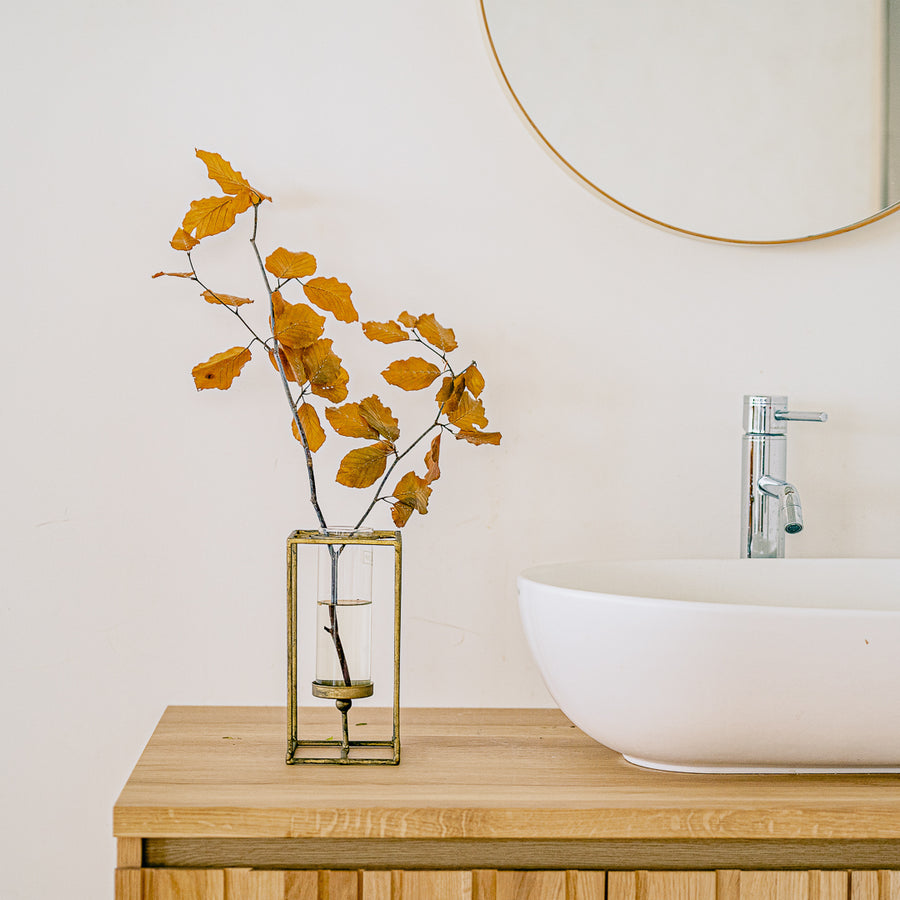
They are also recommended for quiet and calm spaces like bedrooms or bathrooms ◎
3. Regular water changes

Change the water regularly before it becomes cloudy. This helps the stems absorb water and prevents bacteria and mold from growing in the water. Re-cutting the stems at this time will also help them absorb water again.
By putting in a little effort, you can enjoy the beauty of branches for longer.
If the branches still look unhealthy...
Cut the branches to enjoy them compactly

Even with continuous care, water absorption can gradually deteriorate over time. In such cases, it is recommended to cut the branches short.
Shortening them improves water absorption, and by arranging them in a smaller vase, you can enjoy the branches in a different atmosphere.
Mochibana Trivia

Mochibana can be seen in various forms.
Mochibana are, as the name suggests, traditional Japanese decorations where mochi balls are attached to branches to resemble flowers. However, they are known by various names such as "Mayudama" (cocoon balls), "Mochibana," and "Dangobana" (dumpling flowers) depending on the region, and it's interesting how their appearance and meaning differ slightly based on local culture and customs.
The round shape of the mochi balls can resemble white snow crystals or small buds heralding spring. Their red and white colors can also evoke plum blossoms, and the charm of Mochibana lies in their ability to appear as "winter flowers" or "signs of spring" depending on the viewer's imagination.
In some regions, they are also called "Mayudama" because they resemble cocoons. In areas where sericulture was prosperous, it is believed that decorating with cocoon-shaped mochi balls was a way to pray for a rich harvest and household prosperity. Each mochi ball embodies the prayers and seasonal sensibilities of people from ancient times.
Reasons why it is cherished as a lucky charm
Mochibana has been cherished in Japan since ancient times as a lucky charm for Koshogatsu (Little New Year). One reason for this is the red and white colors of the mochi balls. Red symbolizes warding off evil and vitality, while white represents purity and sacredness. This combination has been valued as "colors that bring good fortune."
Additionally, the round shape of the mochi balls embodies meanings such as "harmony," "balance," and "abundance." Branches adorned with many round fruits are considered symbols of good harvests and prosperity, and have been treasured as decorations to pray for family health and business success.
Furthermore, Mochibana are also loved as lucky charms symbolizing "longevity" and "long-lasting happiness" because they retain their shape for a long time even when dry. Since they can be displayed throughout the cold winter without losing their color until spring arrives, they have been cherished as decorations that evoke the changing seasons.
Due to these colors, shapes, and long-lasting characteristics, Mochibana continue to be loved by many people today as New Year's decorations, winter events, and lucky charms for stores.
SiKiTO also sells "Mochibana -Namida-" every year, which is always sold out. These charming Mochibana, which brightly decorate the New Year's celebrations, feature small red and white mochi attached to dried branches and are a hugely popular SiKiTO staple!◎
We visited Hida Takayama, the production area of Namida, as they prepared for the end of the year. We'd like to show you what the Mochibana production site, where these lovable Mochibana are made, looks like.

【Branch Subscription Box Behind the Scenes】
Wisdom to beautifully decorate the New Year in a snowy country. Visiting Hida Takayama, where Mochibana are made.
Read more here 〉
Summary of Mochibana

Mochibana are New Year's decorations popular in traditional Japanese winter events, characterized by red and white mochi balls attached to willow or mizuki branches, made to resemble blooming flowers. Due to their charming appearance, they are also called "Mayudama" or "Dangobana" and are popular as auspicious branches that evoke the season from winter to spring.
Mochibana are imbued with meanings such as "bountiful harvest," "health and protection from evil," and "prosperity." It is believed that these symbolic meanings arose from the bright and hopeful feelings that the round shapes and red-and-white colors of the mochi balls evoke in observers.
The contrast of red and white mochi balls arranged on branches adds a gentle splendor to any space. The appeal lies in their ability to instantly create a seasonal winter ambiance and warm atmosphere when displayed in an interior.
Decorate your room with charming and lovely Mochibana to feel the warmth of winter and the joy of welcoming the New Year ◎

【SiKiTOのよみもの】枝もの図鑑
よみもの一覧をみる〉

枝もの定期便|自宅で待つだけ、飾るだけ。
商品をみる 〉
PRODUCTS
![[Made to order] Green Summer Wreath made with summer branches (fresh flowers)](http://sikito.com/cdn/shop/files/20250702_-15.jpg?v=1751530871&width=900)
![[Made to Order] Four Seasons and Bonsai: Summer | Japanese Maple](http://sikito.com/cdn/shop/files/yomimono20250912.jpg?v=1756106914&width=900)
![[Pre-Order] Seasons and Bonsai: Summer | Gardenia](http://sikito.com/cdn/shop/files/DSC09951a.jpg?v=1779693971&width=900)
![[Made to Order] Seasons and Bonsai: Summer | Crape Myrtle](http://sikito.com/cdn/shop/files/DSC0468_2.jpg?v=1779774773&width=900)
We also recommend this article


%0A%0A%0A%0A%0A%0A%0AEnglish%20Name%0A%0AMochibana%20/%20Rice%20Cake%20Flower%0A%0A%0A%0A%0A%0A%0AOther%20Names%0A%0AM...)