

Bringing the seasons into your home: Our recommended branches for interior decor

Hello everyone.
"Edamono" refers to the general term for branches sold as cut flowers.
Spring flowers, summer leaves, autumn fruits, winter evergreens. Edamono, which show rich expressions throughout the four seasons, have more presence than cut flowers and last longer!
Simply arranging them creates a striking interior, and the dappled sunlight created in your room is captivating.
It's also great that you don't have to worry about sunlight. They can be displayed anywhere, such as the living room, entryway, kitchen, or bedroom.

Here are some typical edamono that SiKiTO delivers through its edamono subscription service throughout spring, summer, autumn, and winter.
- Early Spring Branches (Jan-Feb)
- Spring Branches (Mar-May)
- Summer Branches (Jun-Aug)
- Autumn Branches (Sep-Oct)
- Winter Branches (Nov-Dec)
- How to Arrange Branches: Techniques & Tips
- Basic Balance: "Vase 1 : Branch 1.5-2 or more"
- Odd Numbers for Comfort
- Intentionally breaking the rule for a comfortable arrangement
- With EDA VASE, try removing it from the ring
- How to Choose a Vase Perfect for Branches
- Branch Care
Early Spring Branches
Forsythia (Rengyo)

|
Availability Period |
Jan-Mar |
|
Availability |
★★★★☆ |
|
Longevity |
★★★☆☆ |
Forsythia is one of the representative flowering branches that appear around the New Year. Known as "Golden Bells" in English, it blooms vividly with bell-shaped yellow flowers.
Its flower meanings, derived from its branches growing straight up towards the sky, include "rich hope" and "expectation." Perfect for the beginning of a new year.
Originally from China, this flowering tree has been familiar to the Japanese since ancient times, even appearing in texts from the Heian period. Its fruits have also been used as herbal medicine after flowering.
Spiraea thunbergii (Yukiyanagi)

|
Availability Period |
Jan-Mar |
|
Availability |
★★★★☆ |
|
Longevity |
★★★☆☆ |
Yukiyanagi is another floral material that brings a sense of spring even in cold weather. It's a spring branch that blooms many small flowers all over its drooping branches, resembling willow. Its appearance, as if covered in snow, is charming and captivating.
Its flower meanings, derived from the sight of small white flowers blooming in rows, include "charm," "loveliness," and "quiet thoughts."
While Yukiyanagi is famous as a spring flower, its refreshing foliage is also popular. In summer, it appears as lush green foliage, and in autumn, as autumn leaves. The ability to enjoy its changes throughout the year, feeling the transitions of the seasons, is one of Yukiyanagi's charms.
Spiraea cantoniensis (Kodemari)

|
Availability Period |
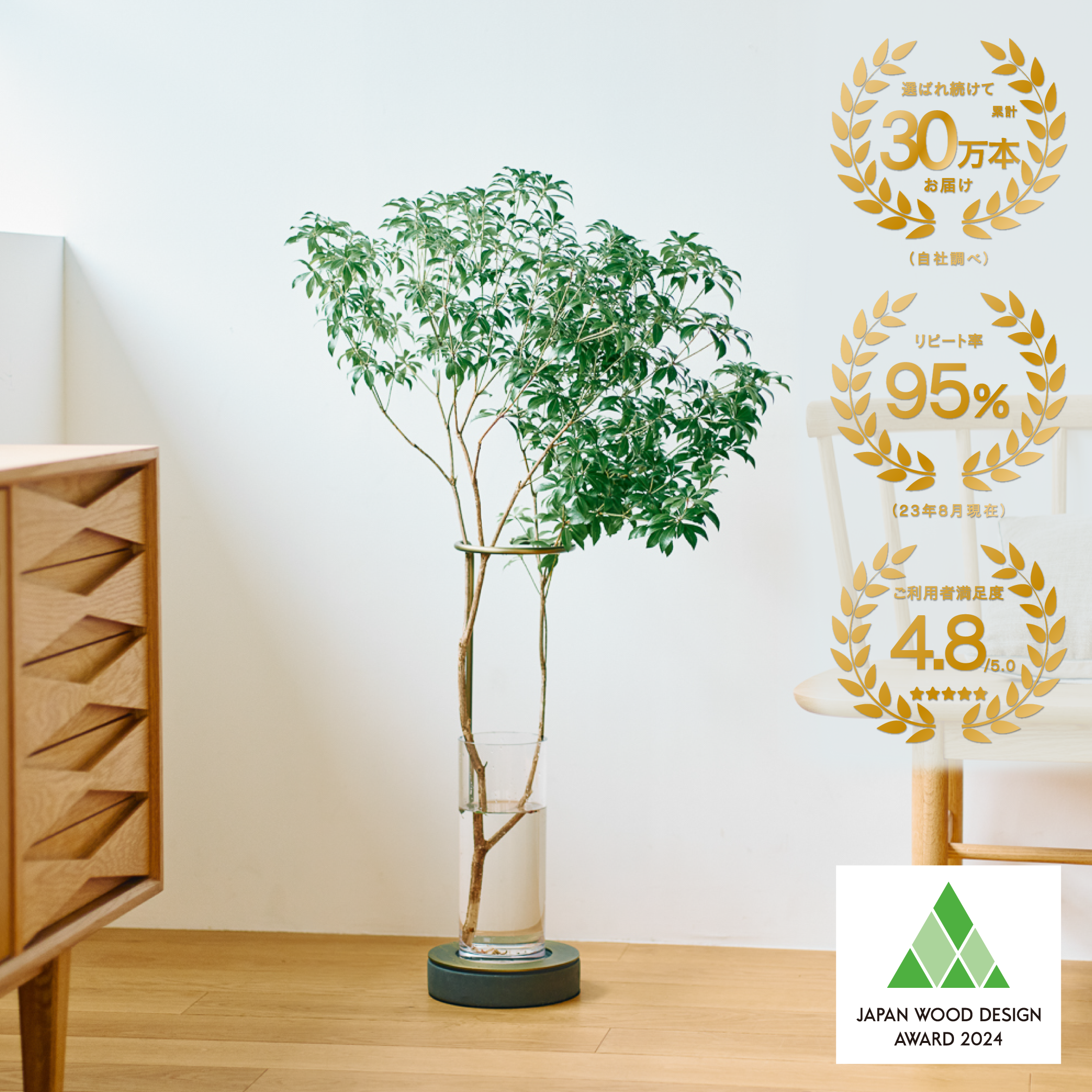
Branch Subscription Service | Just wait at home, then display View Product 〉
How to Arrange Branches: Techniques & Tips Branches look great even when casually arranged. But have you ever felt, "The balance just isn't right today..."? Here, we introduce arrangement techniques and tips that even beginners can easily adopt. 1. Basic Balance: "Vase 1 : Branch 1.5-2 or more" First, for the basic balance between the vase and the branches you're using, we recommend "Vase 1 : Branch 1.5-2 or more." For example, if you're using a 30cm high vase, arranging branches of 75-90cm or longer will create a graceful and impactful display.  2. Odd numbers feel more comfortable than even numbers An odd number of branches feels more comfortable and cohesive than an even number. Try to create a "triangle" shape with an asymmetrical arrangement to easily find a pleasing balance.
If you only have two branches, it can often feel more natural to decisively place them to one side. 3. Deliberately break the rules for a comfortable arrangement When you have plenty of shorter branches, tilting them using the mouth of the vase instead of dropping them straight to the bottom adds a dynamic spread.
4. Try arranging branches outside the ring in the EDA VASE When arranging multiple branches in the EDA VASE, our vase specifically for branches, removing some branches from the ring allows them to spread out more softly. The key here is to decide which side is the front and to arrange the branches with a triangular shape in mind.
Arrangement techniques using the EDA VASE are also introduced in the following article. 
【Vase for Branches】 Read the article here 〉 How did you like these techniques that even beginners can easily try? Incorporate these practical tips and enjoy a more casual life with branches.
How to choose the perfect vase for branches Plants are an essential element for creating stylish interior spaces, adding a touch of natural color. To showcase plants and branches beautifully, choosing the right vase is crucial. A vase not only enhances the appeal of plants but also serves as an interior item that influences the overall impression of a space. With a wide variety of designs, materials, and sizes, many people might find themselves wondering which one to choose. Here, we will introduce how to select stylish vases that highlight the beauty of plants and act as an accent in your interior. 1. Choose by mouth diameter and height When choosing a vase, the key is to consider the plants or branches you want to display and select based on their mouth diameter and height. The optimal balance between the vase and the plant or branch is said to be "vase 1 : plant 1.5 to 2 or more." For example, if you want to display plants 75-90 cm or taller, choosing a 30 cm tall vase will result in a stylish arrangement. Also, depending on the plant, a mouth that is too small can create a cramped impression, while one that is too large can make it look messy. When choosing a vase, consider the balance with the plant and pay attention to the mouth diameter and height. 2. Choose by shape Vases for interiors come in various shapes, with the following four being standard:
Pot-shaped vases are well-balanced and stable. They can hold plenty of water, which is a great advantage as it helps to keep the center of gravity stable and prevents them from tipping over easily. Choosing a design with a rounded bottom and a wide base will further enhance stability. Cylindrical vases are characterized by having the same width from top to bottom, making them straight. Their stability makes them ideal for displaying tall plants. Their simple appearance doesn't interfere with the interior, making them suitable for creating a stylish space. Trumpet-shaped vases, as the name suggests, have a flared shape that widens towards the mouth, like a trumpet. They are suitable for decorating with bouquets that spread out softly. Since stems and branches can move easily, if you're only displaying a single branch, you'll need to use a trick like taping cellophane across the mouth of the vase in a cross shape to secure it. Vases with unique shapes are recommended for those who prioritize design. Nowadays, there are vases with various shapes, from test tube-like designs to donut shapes. They can serve as an interior accent even when no plants are placed in them.
3. Choose by color Vases come in many colors, so choose one that matches your interior style. If you're unsure which to choose or are new to interior coordination, a simple white vase is recommended. It pairs well with any type of plant and suits any interior style or background. Furthermore, white vases are timeless, making them a great long-term choice. 4. Choose by material Choosing a vase by its material is also recommended. The three standard materials are:
Glass vases offer transparency, lending a cool impression to your interior. Placing them by a window allows light to filter through, creating shimmering effects—a unique charm of glass vases. Plastic vases are unbreakable if dropped, making them safe for homes with small children or pets. Plastic also comes in various colors and shapes, offering a wide range of designs. Many are relatively affordable, allowing you to enjoy changing them up to suit your mood. Ceramic vases are characterized by their thickness and weight, which bring a sense of calm to a space. Not only are they perfect for displaying plants, but they also have an outstanding presence as interior decor, instantly creating an elegant atmosphere just by being placed. They can complement various interior styles, including Japanese, European, and Scandinavian. 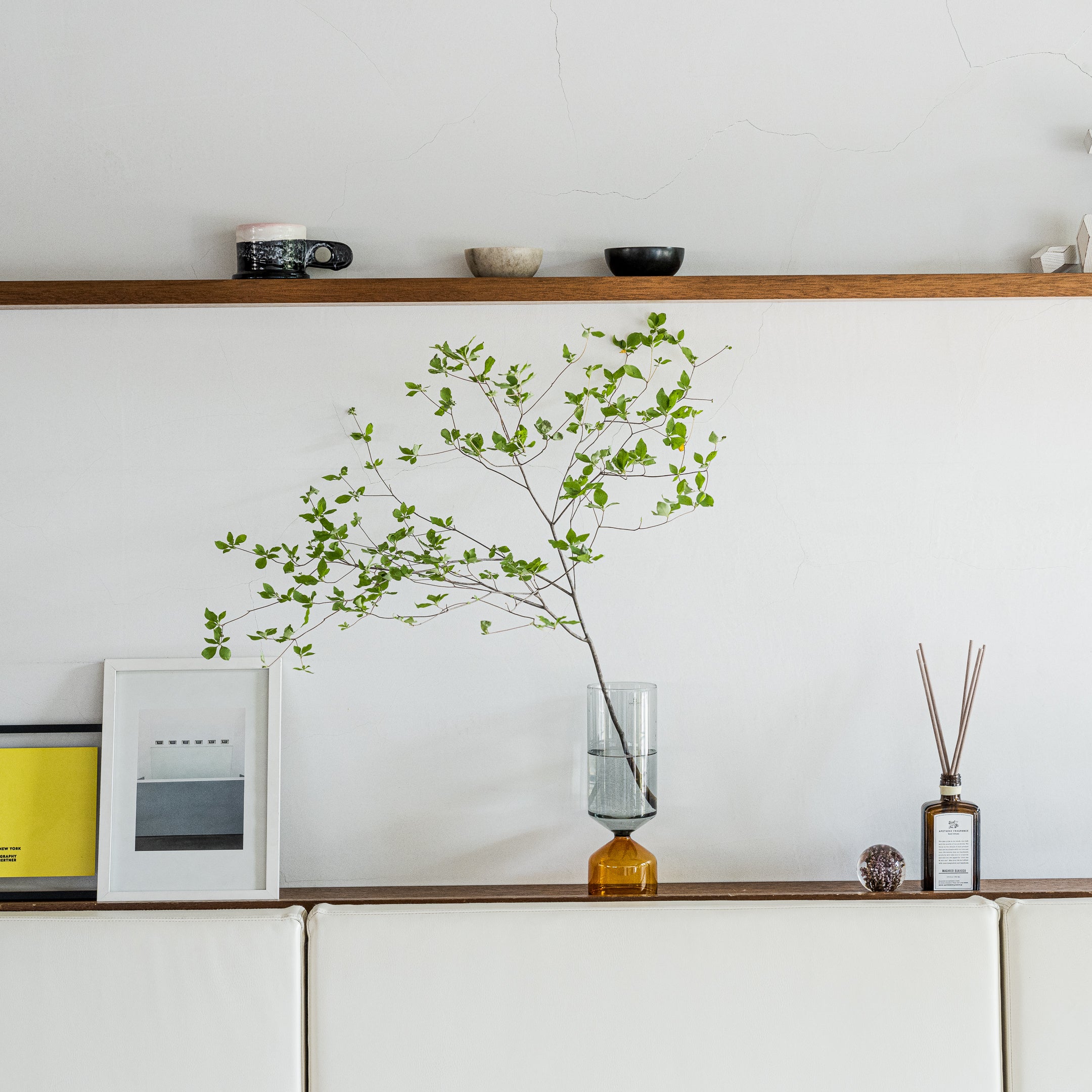
Vase Collection Recommended for Branches View All 〉
Caring for branches
Basic Care for Branches Branches last longer than cut flowers and bring the changing seasons into your home. With a little daily care, you can enjoy their beauty for even longer. Here are some basic care tips to help you cherish your branches for as long as possible. 1. Re-cutting on the day of receipt
On the day you receive them, re-cut the branches before placing them in the vase. Make a cross incision at the base and peel back the bark to help them absorb water more easily. Since branches can be tired from transit, it's recommended to place them in water with a flower food solution.
2. Place branches in a comfortable spot
Branches prefer a well-ventilated, cool place away from direct sunlight and air conditioning drafts. You don't need to worry about sun exposure, so they can also be placed in bedrooms or washrooms.
3. Frequent water changes
Change the water frequently before it becomes cloudy. Re-cutting the stems at this time will also help them absorb water better. If there's any sliminess, gently rub it off with your hand.
4. "Misting" is also important care
Misting the leaves with a spray bottle provides moisture through the foliage, keeping them fresh and vibrant.
5. Trimming faded parts
Regularly remove faded flowers and leaves. This not only maintains their appearance but also helps water reach the healthy parts more effectively.
Branch care related items We also offer tools to help you enjoy your branches longer, such as pruning shears and mist sprays. 〈Pruning shears that cut branches cleanly〉
The sharpness of the shears affects water absorption. Tooyama Hamono pruning shears, capable of cleanly cutting even thick branches like cherry and Japanese andromeda, can be found here.
〈Florist knife for improved water absorption〉
The VICTORINOX florist knife, which helps improve water absorption by stripping bark from the submerged part of the stem, is available here. It boasts the reliable quality loved by professionals worldwide.
〈Durable mist spray〉
The mist spray (atomizer) essential for foliar feeding can be found here. The Haws mist spray, cherished in the UK for over 130 years, is highly durable and disperses a fine mist over a wide area.
〈Flower food for prolonged branch life〉
The specialized flower food for branches, primarily effective for flowering branches and generally beneficial for all branches, is available here. 
Branch Care Products View All 〉

【SiKiTOのよみもの】枝もの図鑑 よみもの一覧をみる〉 
枝もの定期便|自宅で待つだけ、飾るだけ。 商品をみる 〉 PRODUCTS 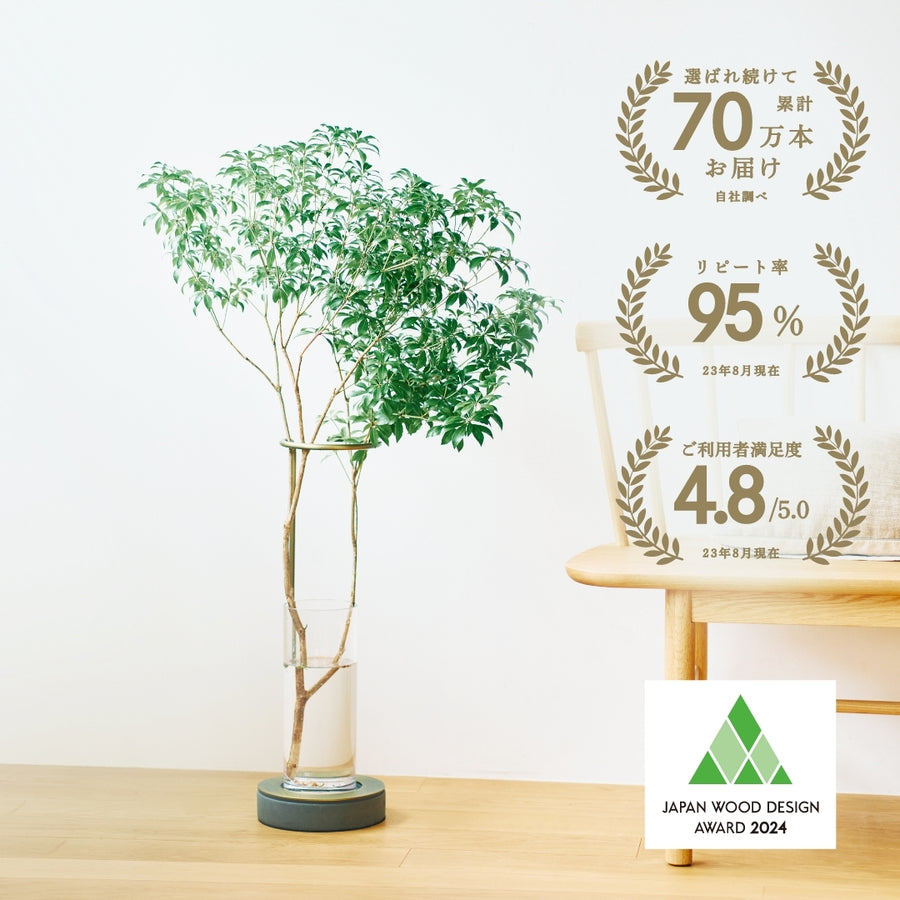 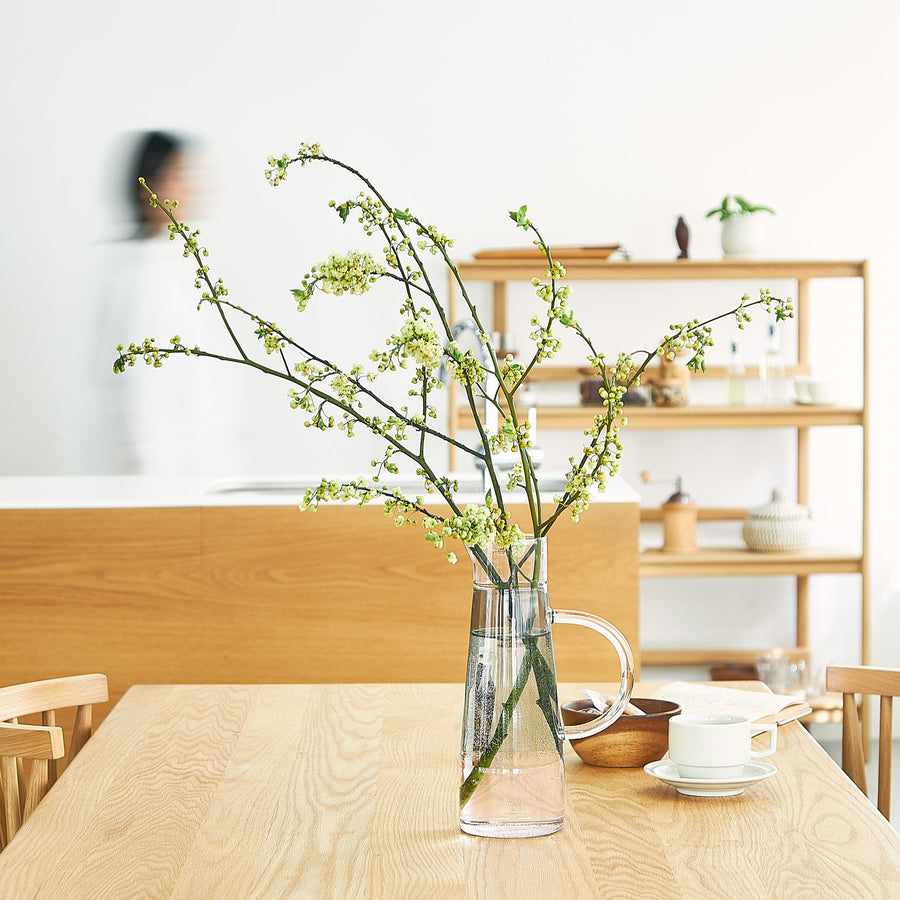 Branch Subscription Service 60cm Plan | Tabletop size to brighten up your room 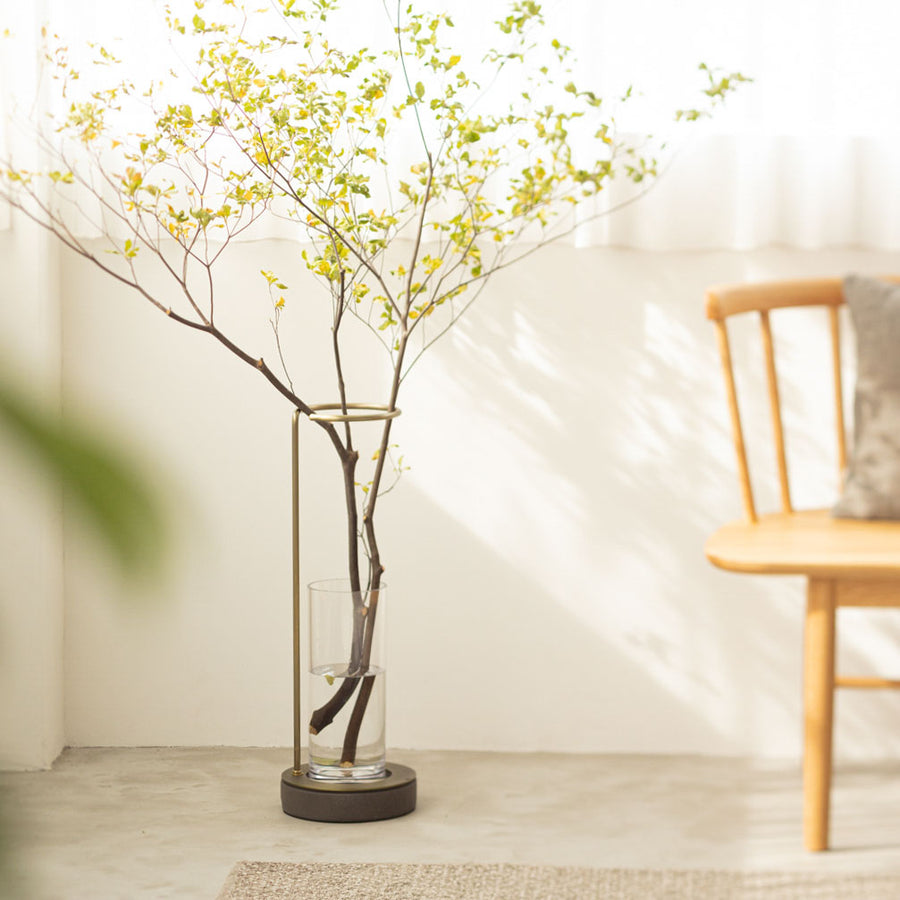 EDA VASE | A compact vase for beautifully arranging branches 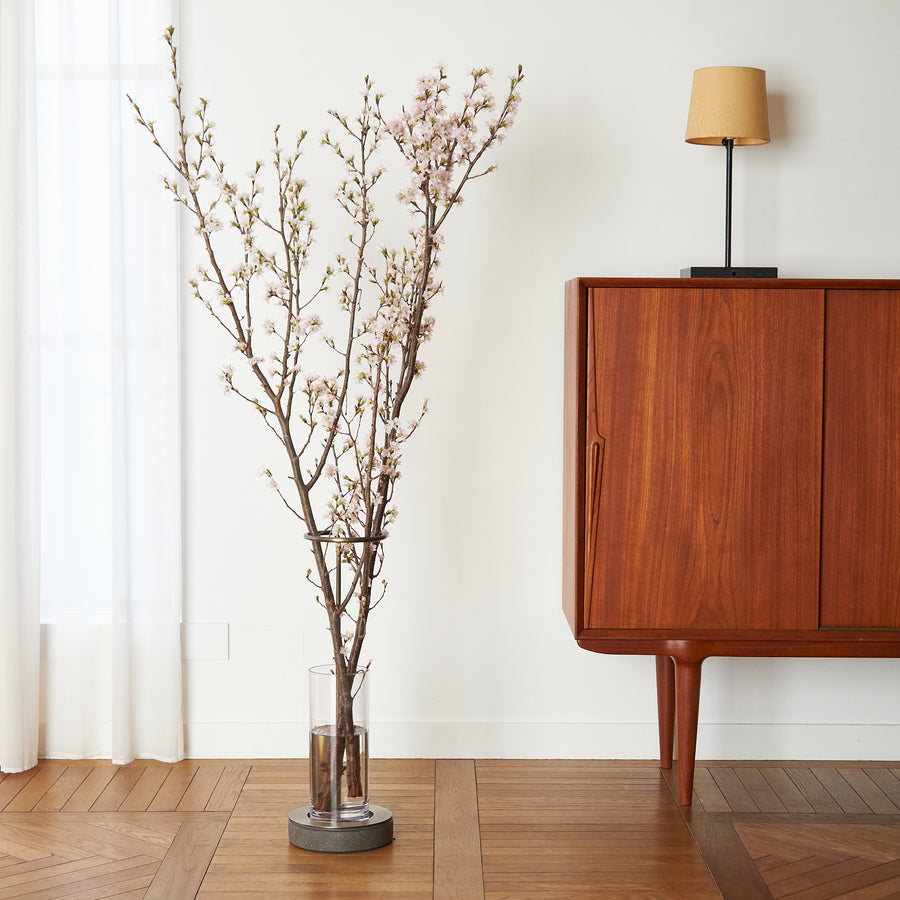 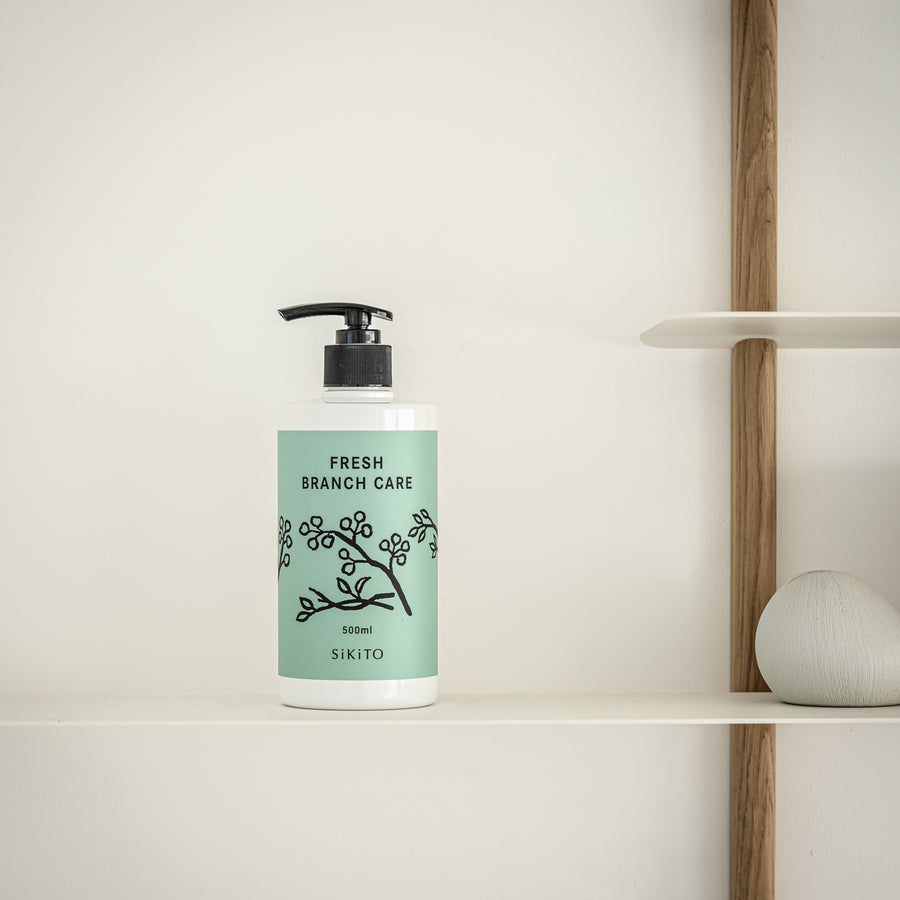 FRESH BRANCH CARE | Freshness Preservative for Branches  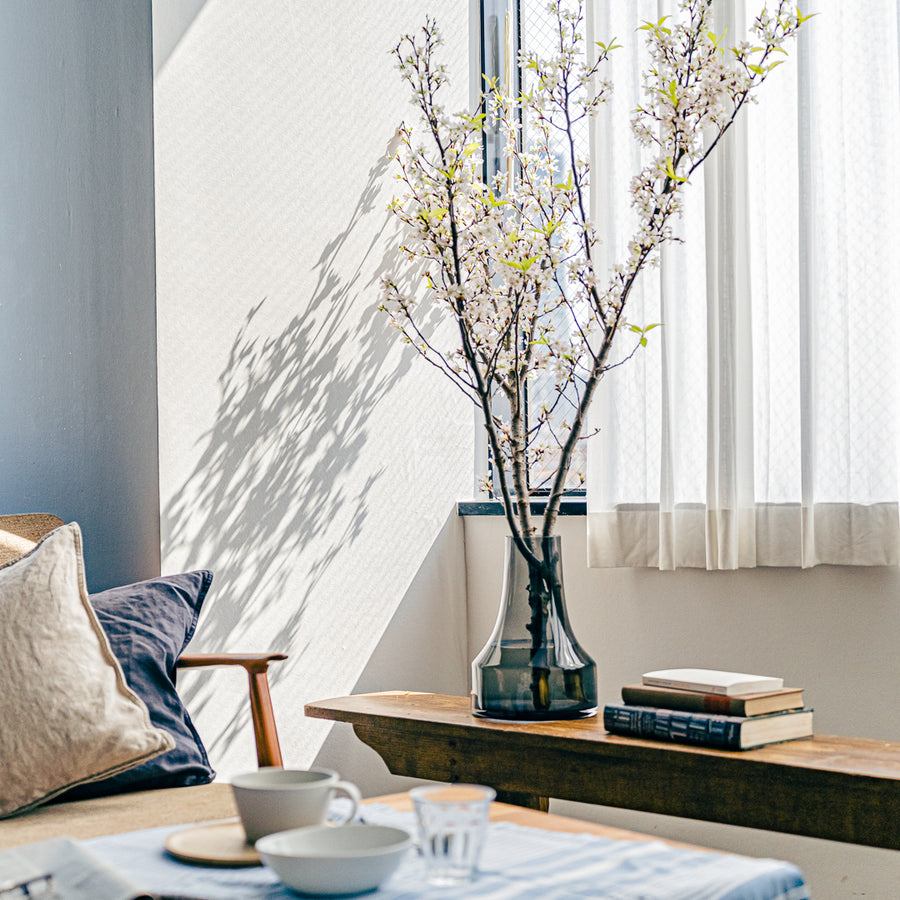 Fagot | A well-balanced and stable vase for branches 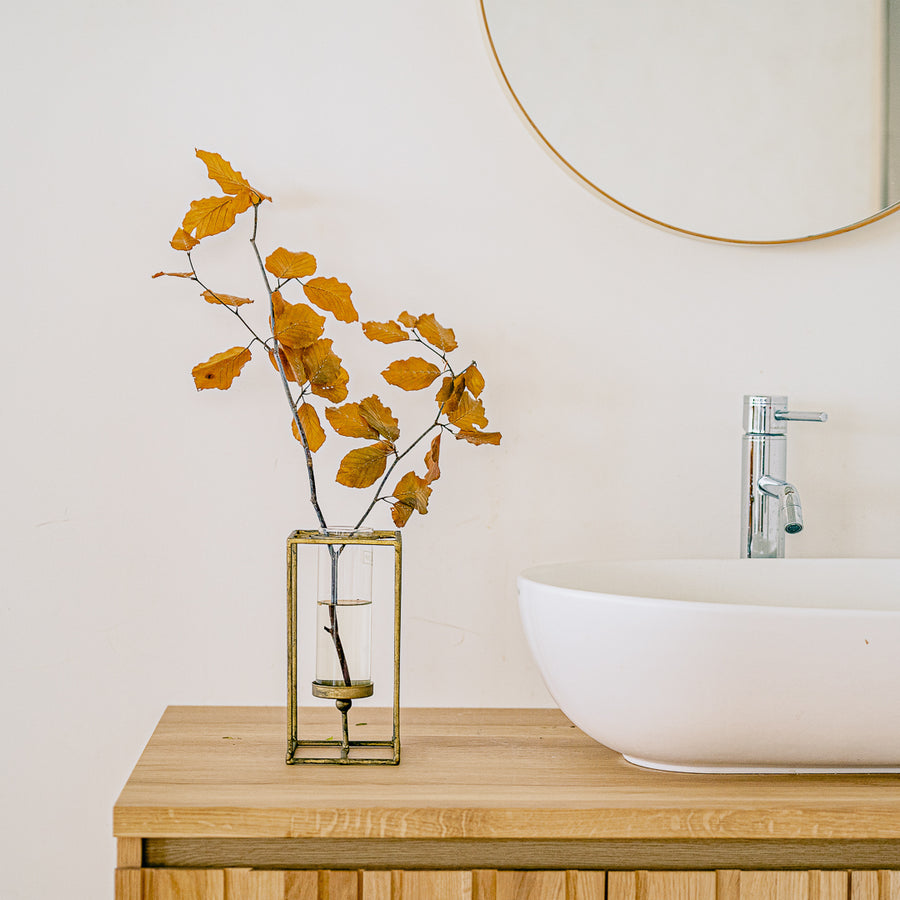 CUBE | A rugged, minimalist branch vase with a floating sensation ![[Made to order] Green Summer Wreath made with summer branches (fresh flowers)](http://sikito.com/cdn/shop/files/20250702_-15.jpg?v=1751530871&width=900) [Made to order] Green Summer Wreath made with summer branches (fresh flowers)  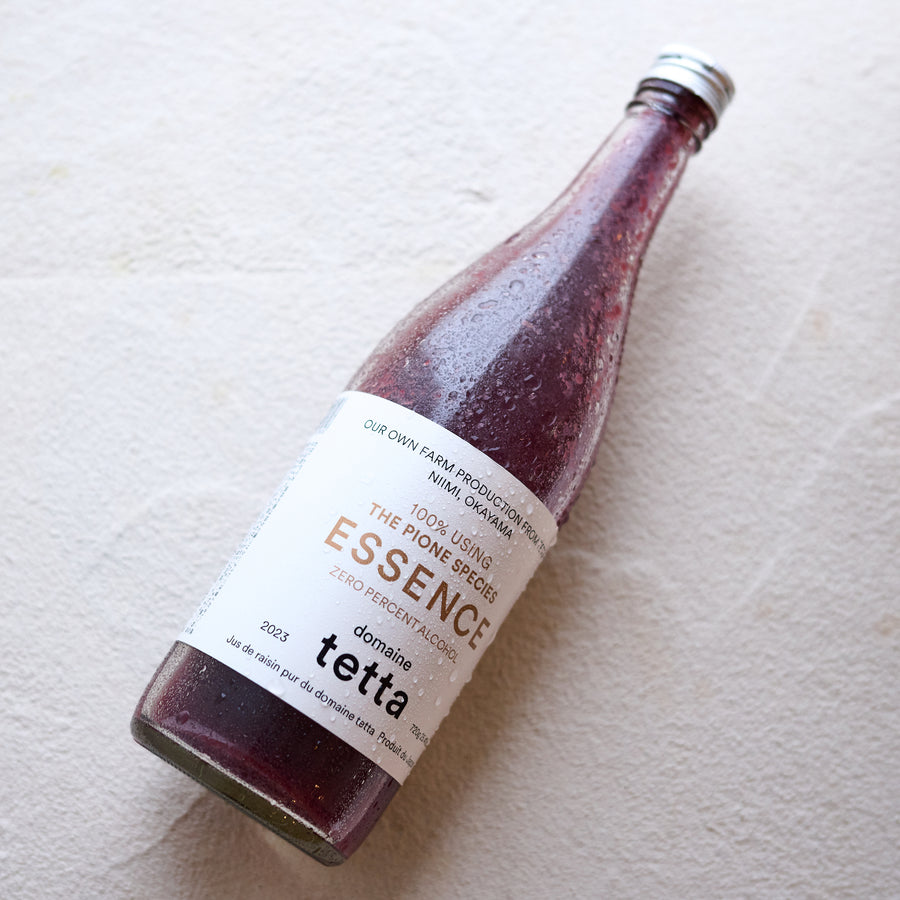 ESSENCE | 100% Japanese Wine Grape Concentrate   ![[Made to Order] Four Seasons and Bonsai: Summer | Japanese Maple](http://sikito.com/cdn/shop/files/yomimono20250912.jpg?v=1756106914&width=900) [Made to Order] Four Seasons and Bonsai: Summer | Japanese Maple ![[Pre-Order] Seasons and Bonsai: Summer | Gardenia](http://sikito.com/cdn/shop/files/DSC09951a.jpg?v=1779693971&width=900) [Pre-Order] Seasons and Bonsai: Summer | Gardenia ![[Made to Order] Seasons and Bonsai: Summer | Crape Myrtle](http://sikito.com/cdn/shop/files/DSC0468_2.jpg?v=1779774773&width=900) [Made to Order] Seasons and Bonsai: Summer | Crape Myrtle We also recommend this article
#SiKiTOの取り組み
[Branch Subscription Event] Gathering of Seasonal Branches: Early Winter & Christmas At the end of 2023, we held an eve... 
  |


